The Deepest Poker Skill May Be Understanding Your Own Mind
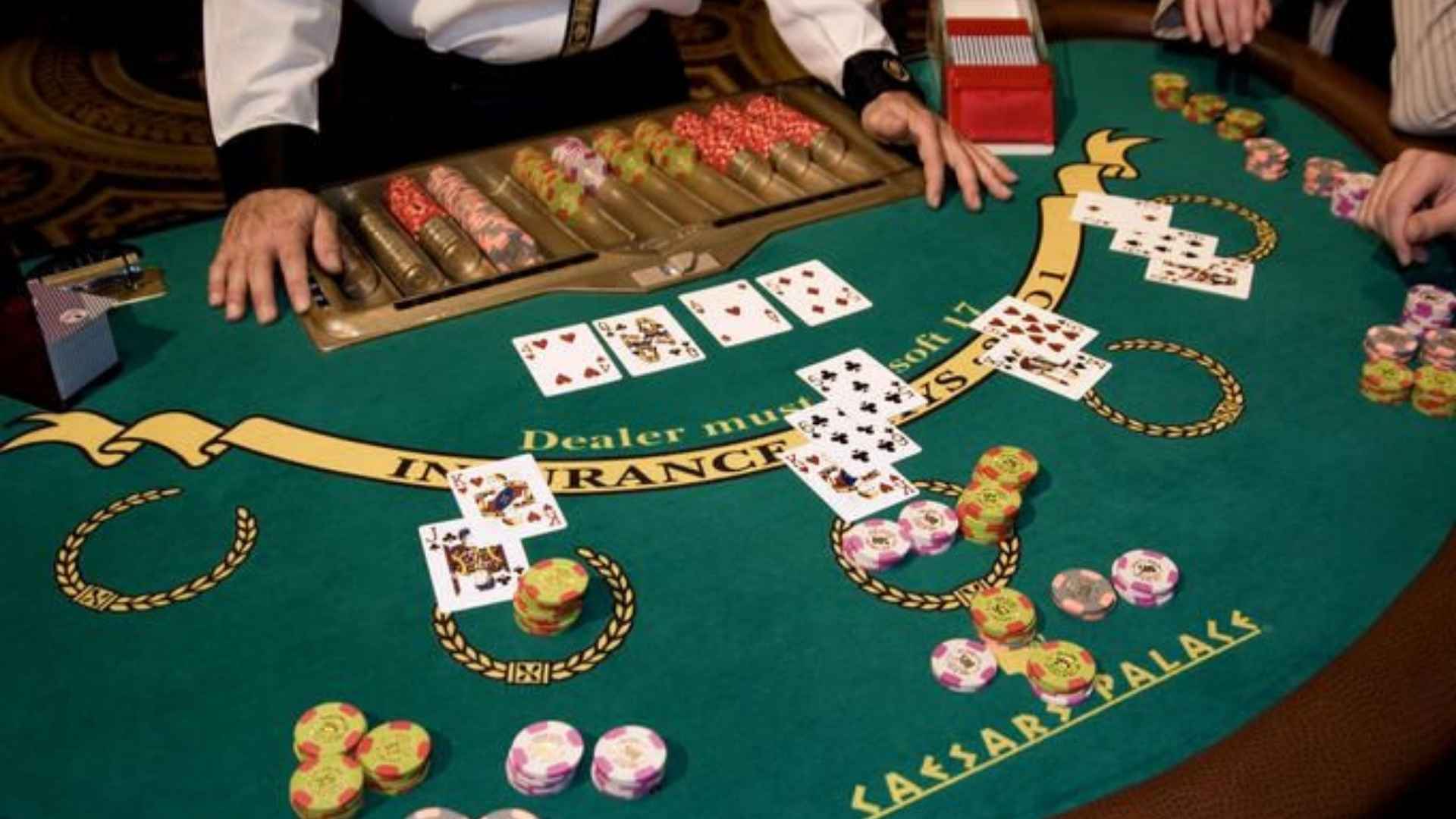
While many players spend countless hours analyzing starting hands and probability charts, the true master class of poker happens within the human psyche. Technical knowledge provides a solid baseline, but internal self-awareness determines how effectively that strategy is executed during high-stress moments. Mastering your own mental patterns allows you to make objective decisions when variance tests your emotional resolve.
The Illusion of Rational Decision Making
Most competitors believe they act purely on logic when sitting at the table. In reality, subtle psychological biases silently influence risk assessment, hand selection, and betting sizes throughout a session. Recognizing these subconscious tendencies is the first step toward building genuine cognitive control.
When a player fails to monitor their internal state, small frustrations compound into major strategic errors. Emotional fatigue often disguises itself as calculated aggression, leading to unnecessary risk taking. True mastery requires constant self-auditing to ensure every move aligns with long-term profitability.
Recognizing Personal Triggers and Emotional Leaks
Every individual possesses specific triggers that compromise their decision-making process under pressure. For some, suffering a bad beat against a weaker opponent generates an immediate urge to win back lost chips. For others, a long card-dead stretch causes boredom, prompting played hands out of position.
Identifying these personal vulnerabilities allows you to create psychological safeguards before stepping into competitive games. Players who regularly use an m88 login to access digital tables must maintain the same mental discipline as live tournament competitors. Acknowledging an emotional leak before it manifests protects both your bankroll and your strategic clarity.
Decoupling Ego From Tactical Execution
Ego is perhaps the most destructive force a poker player can encounter during a session. It convinces players to call down big bets simply to prove a point rather than respecting the mathematical odds. When personal pride replaces objective analysis, decision quality degrades rapidly.
Elite strategists view each hand as a isolated statistical problem rather than a personal confrontation. They fold strong holdings without hesitation when the evidence suggests they are beaten. By removing ego from the equation, you preserve mental energy and maintain absolute focus on long-term edge.
Developing Long-Term Introspective Discipline
Building deep self-awareness requires consistent reflection outside of active play sessions. Reviewing recorded hands and analyzing emotional reactions during critical spots helps identify recurring mental mistakes. Over time, this reflective habit transforms instinctual reactions into deliberate, disciplined choices.
Ultimately, technical skills are only as strong as the psychological foundation supporting them. Players who take the time to understand their own mental dynamics gain an enduring advantage over rivals driven by emotion. Self-mastery remains the ultimate differentiator in modern competitive card games.